Watercolor Flower Arrangements Florals: Elevating Digital Design with Hand-Painted Elegance
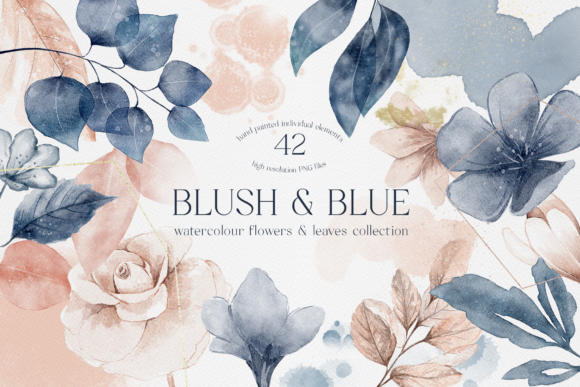
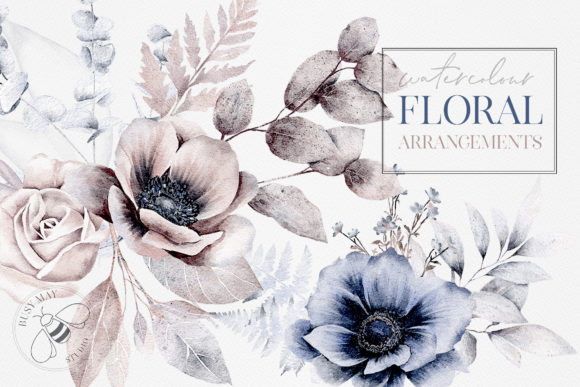
In an era where digital saturation is the norm, there is a growing appetite for authenticity and tactile warmth in visual communication. This shift has propelled watercolor flower arrangements florals from niche artistic hobbies to essential assets for modern creators. Whether you are designing wedding stationery, curating a lifestyle blog, or crafting unique party invitations, the organic imperfection of hand-painted elements offers a sophistication that sterile vector graphics often lack. The introduction of curated collections, such as the limited spring pastel palette featuring dusky blue, heather lilac, and beige, represents more than just a set of images; it signifies a move toward cohesive, mood-driven design strategies that resonate deeply with contemporary audiences.
The Resurgence of Organic Aesthetics in Modern Workflows
The evolution of design trends over the last decade reveals a pendulum swing away from flat, minimalist interfaces toward textures that evoke emotion and memory. Watercolor art, with its fluid boundaries and soft gradients, perfectly captures this desire for human touch. For professionals and entrepreneurs, integrating these elements into branding materials is not merely an aesthetic choice but a strategic one. It signals approachability, creativity, and attention to detail.
Consider the current landscape of social media and content marketing. Users are increasingly skeptical of overly polished, corporate imagery. They gravitate toward content that feels personal and curated. Watercolor flower arrangements florals provide a versatile toolkit for achieving this balance. By utilizing high-resolution .PNG files at 300 dpi, creators can ensure that their digital banners retain clarity while maintaining the delicate texture of brushstrokes. This technical quality is crucial for maintaining professionalism across various platforms, from Instagram stories to printed brochures.
Versatility Across Creative and Commercial Applications
The utility of hand-painted watercolor elements extends far beyond simple decoration. Their adaptability makes them invaluable for a wide range of applications, catering to both hobbyists and business owners. Here is how these glamorous elements are transforming various creative projects:
- Wedding Stationery and Event Planning: The romantic and timeless nature of watercolor florals makes them ideal for wedding invitations, save-the-dates, and menu cards. The specific palette of dusky blue and heather lilac offers a modern alternative to traditional brights, appealing to couples seeking a sophisticated, muted aesthetic.
- Digital Content and Blogging: For bloggers and marketers, these elements serve as excellent headers, backgrounds, and separators. They break up text-heavy posts, adding visual interest without overwhelming the reader. The transparent background of .PNG files allows for seamless integration into any website layout.
- Scrapbooking and Arts and Crafts: Hobbyists appreciate the ability to print high-quality elements for physical projects. Whether creating memory books or handmade greeting cards, the ability to scale images without losing resolution ensures professional results every time.
- Brand Identity and Packaging: Small business owners can use these floral arrangements to soften product packaging or enhance logo designs. The unique color combination sets brands apart in crowded marketplaces, offering a distinct visual signature.
Understanding the Value of Curated Color Palettes
One of the most challenging aspects of design is color coordination. Many creators struggle to match disparate elements, resulting in disjointed visuals. This is where curated collections, such as the five hand-painted watercolor flower arrangements in a limited spring pastel palette, provide significant value. By restricting the color scheme to dusky blue, heather lilac, and beige, the collection ensures inherent harmony.
This limitation is actually a strength. It forces a cohesive look that is difficult to achieve when mixing random assets. The chosen colors are not only trendy but also psychologically calming. Dusky blue evokes stability and trust, heather lilac suggests creativity and nostalgia, while beige provides a neutral, grounding base. Together, they create a balanced visual experience that is pleasing to the eye and effective in communication.
For those unfamiliar with color theory, using pre-coordinated palettes reduces the cognitive load of design. It allows creators to focus on layout and messaging rather than worrying about clashing hues. This efficiency is particularly beneficial for entrepreneurs who manage multiple roles and need streamlined workflows.
Technical Considerations for High-Quality Output
While the aesthetic appeal of watercolor art is undeniable, its practical application relies heavily on technical specifications. When selecting digital assets, several factors determine their usability and final quality.
First, resolution is paramount. Files provided at 300 dpi (dots per inch) are suitable for both screen display and high-quality printing. Lower resolution images may appear pixelated when printed, undermining the professional appearance of the final product. Ensuring that download files are watermark-free is equally important, as it grants users the freedom to use the images without visual distractions or legal ambiguities.
Second, file format matters. The use of .PNG files with transparent backgrounds is industry standard for layered design work. It allows designers to place floral elements over photographs, colored backgrounds, or text without awkward white boxes surrounding the image. This flexibility is essential for complex compositions in software like Photoshop, Canva, or Illustrator.
It is also important to note that colors on screens may vary from actual prints due to differences in monitor calibration and printer settings. Professionals recommend performing test prints to adjust color profiles if exact matching is critical. However, starting with high-quality, accurately colored digital files minimizes these discrepancies.
Customization and User Support in Digital Marketplaces
The relationship between creator and user does not end at the point of purchase. In the digital asset marketplace, customer service and customization options play a vital role in user satisfaction. The ability to contact sellers for special requests, such as changing image sizes or adjusting specific design elements, adds a layer of personalization that automated platforms often lack.
This level of support is particularly valuable for businesses with specific branding guidelines. If a particular shade of lilac needs to be slightly darker to match a corporate logo, having direct access to the artist can save time and resources. It transforms a transactional exchange into a collaborative partnership, fostering loyalty and repeat business.
Moreover, clear communication regarding usage rights and limitations helps prevent misunderstandings. Users should always review license agreements to understand how they can utilize the assets, whether for personal projects, commercial products, or client work. Transparency in these areas builds trust and ensures a smooth creative process.
Integrating Watercolor Elements into Your Creative Strategy
To maximize the impact of watercolor flower arrangements florals, consider the following best practices:
- Maintain Visual Hierarchy: Use floral elements to frame key information rather than obscure it. Place lighter, less saturated flowers in the background and bolder blooms near focal points.
- Balance Negative Space: Watercolor art thrives on breathing room. Avoid cluttering designs with too many elements. Let the soft edges and empty spaces contribute to the overall elegance.
- Consistency is Key: Stick to the provided palette throughout a project. Mixing these pastels with neon or highly saturated colors can disrupt the harmonious feel. If additional colors are needed, choose muted tones that complement the existing scheme.
- Experiment with Layering: Combine different floral elements to create unique bouquets or borders. The transparency of .PNG files allows for overlapping effects that add depth and dimension to flat designs.
In conclusion, the integration of hand-painted watercolor elements into digital and print media offers a powerful way to enhance visual storytelling. By leveraging high-quality, curated collections like the spring pastel series, creators can produce work that is not only beautiful but also emotionally resonant. As design trends continue to favor authenticity and warmth, these tools will remain indispensable for anyone looking to make a lasting impression.